Avash News: The project “Intelligent System for Recording, Tracing, and Confirming the Authenticity of Persian Hand-Woven Carpets,” called the “Chamrosh startup,” which began in 2019 at the Faculty of Computer Engineering of the university, led to the national registration of an “exclusive fingerprint system for every hand-woven carpet.”
Amirkabir University holds 20 percent ownership of the invention, which has been designed with the aim of safeguarding the authenticity of Persian hand-woven carpets and combating fake and copied examples of Persian carpets, constituting a remarkable example of linking advanced technology with the country’s cultural heritage.
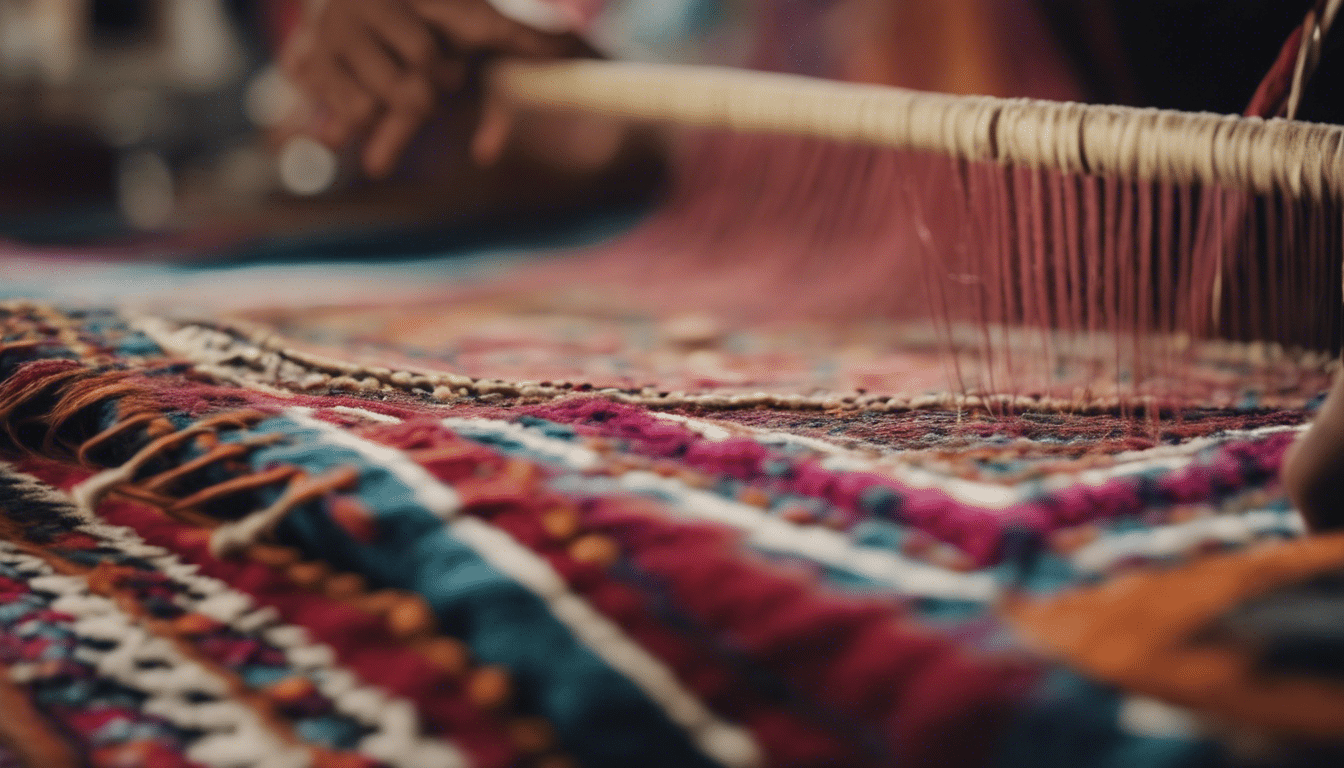
Each carpet, a fingerprint
Under this system, the unique characteristics of each carpet, including the knots and color composition, are analyzed using advanced algorithms, and a unique “digital fingerprint” is created for every carpet.
To implement the project, technologies such as AI, blockchain, the Internet of Things, image processing, and digital token-making have been used. The created fingerprint, along with the characteristics and evidence related to the carpet, is registered on the basis of blockchain and is used as the basis for issuing digital ownership.
The project officials see the significance of Chamrosh beyond a technological innovation and regard it as a step toward the digital transformation of Iran’s hand-woven carpet industry — a development that can offer a new model of value creation in the supply chain, sales, and investment in this authentic art-industry, providing the grounds to turn exquisite Iranian carpets into reliable assets in the digital creative economy.
The project has been completed in collaboration with Iran’s Carpet Museum and is supported by the Ministry of Industry, Mine and Trade’s Department for Innovation and Technology, as well as a number of university instructors, researchers, and specialists. Amir-Hossein Roshan-Zamir, a researcher at Amirkabir University in the field of digital development and innovation and the inventor of the project; Mohammad Rahmati, an AI and image-processing instructor at the same university; Mahdi Shajari, an assistant in the field of technology and information security at Toronto Metropolitan University; Soroush Ziaee-Nejad, a PhD candidate at the University of Windsor in Canada in the field of financial technology and digital banking; and Mohammad Khakbazan, a producer and exporter of hand-woven carpets, are among those involved in the innovation.
The technology is expected to help upgrade the position of authentic Iranian carpets in international and domestic markets.