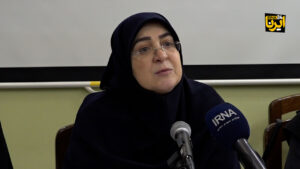
Xavier Castellanos, the Under Secretary General for National Society Development and Coordination at the IFRC, speaking at a joint meeting with the head of Iran’s Red Crescent Society, praised the organization’s remarkable capabilities in producing medical and relief equipment.
He said the damage goes beyond physical destruction, noting that it is not just about the destruction of buildings, but also the loss of equipment and the damage to the supply chain.
Castellanos said his recent visit to Iran exposed him to multiple observations and numerous adverse consequences of the unprovoked war.
He emphasized that war has chain and interconnected effects, adding that civilians are consistently among the hardest hit.
He also highlighted the Red Crescent’s medical production capacity, including over 600 million syringes annually and dialysis-related equipment.
Castellanos also warned that attacks on chemical and pharmaceutical factories have disrupted raw material supplies, potentially depriving millions of essential healthcare services, especially amid ongoing sanctions.
The United States and Israel launched a war on Iran on February 28, assassinating the Leader of the Islamic Revolution Ayatollah Seyyed Ali Khamenei, and several top Iranian military commanders. The US-Israeli assaults also targeted Iran’s infrastructure, schools, hospitals, and medical centers.