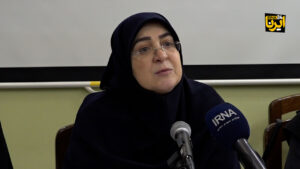
Minister Zafarghandi made the remarks during a visit to the institute, stressing that targeting scientific centers, including universities and key research facilities, reflects efforts to halt Iran’s scientific development and independence.
He highlighted the Pasteur Institute’s century‑long role as one of Iran’s most reputable scientific and research institutions, particularly in vaccine production, infectious disease research, and medical innovation.
Zafarghandi confirmed that several specialized laboratories, such as virology, bacteriology, and parasitology, have suffered significant structural and equipment damage.
He emphasized that destroying buildings cannot erase Iran’s scientific capacity, noting that the country’s knowledge base is rooted in the expertise and dedication of its researchers.
Reconstruction efforts are already underway, the minister stated, adding that repairs to moderately damaged sections could be completed within two to three months, while heavily affected areas will require more time.
He said the Ministry of Health, along with the Plan and Budget Organization and private donors, is accelerating restoration and re‑equipment plans.
The official also reaffirmed the commitment of Iran’s health workforce, noting their continued service to the public even under crisis conditions.
The head of the Pasteur Institute of Iran says that the research institution has been targeted by the US and Israeli terrorists three times since the beginning of the US-Israeli war against Iran. The latest attack occurred on April 2, causing significant damage to some departments, including the cell bank, as well as malaria, clinical, and biotechnology research centers.