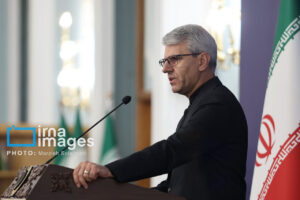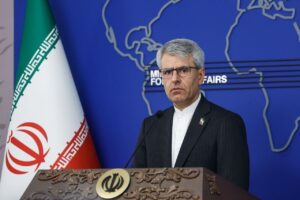
In a post on X marking the anniversary of the invasion of Iran on August 24, 1941, Baqaei recalled on Tuesday that Iran was occupied despite its official declaration of neutrality during World War II. Soviet forces entered from the north and east, while British forces attacked from the south and west by land and air.
He said the Iranian army collapsed within days, major cities were occupied and the entire country came under foreign military control. Reza Shah Pahlavi abdicated 22 days after the invasion and was subsequently exiled to Mauritius, then a British-controlled island.
Despite the Shah’s government’s formal declaration of neutrality—which Mohammad Reza Pahlavi later, in a speech on November 5, 1974, apologetically described as the illusion of a “golden cage of neutrality” in “a world governed by the logic of force,” he said.
Baqaei said the occupation, which lasted six years, inflicted extensive damage and suffering on Iran. Beyond the destruction, loss of life and looting of Iranian assets, he said, the deepest wound was the humiliation inflicted on a nation that had no role in the wars imposed on the world by European powers.
The painful experience will never be erased from the memory of Iranians, Baqaei said, stressing that the historical episode continues to shape Iran’s understanding of national independence and security.
He argued that Iran, having overcome major crises with resilience and national resolve, is once again facing a decisive test.
According to Baghaei, protecting Iran’s national dignity and independence requires self-confidence, determination, and firm commitment to resistance.
He further maintained that national strength, in all its dimensions, remains the only effective deterrent against foreign demands and aggression.