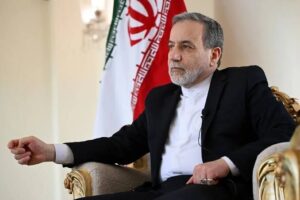
In a statement published by sepahnews.com, the IRGC said Commander Tangsiri had been directing operations and reinforcing defensive positions along Iran’s islands and coastlines when he was targeted by aggressors.
According to the statement, the commander had been involved in efforts following strikes that Iranian officials say caused significant damage to enemy infrastructure and led to the shooting of a US fighter jet.
The IRGC said the commander succumbed to severe injuries after the attack. The statement portrayed his martyrdom as part of a broader struggle against foreign military actions, describing Tangsiri as a brave soldier of the nation.
The IRGC added that the loss would not halt its operations. It said naval forces continue to maintain command and operational activities in the strategic Strait of Hormuz, stressing that their forces would persist in carrying out missions despite the absence of their commander.
The statement also referenced past confrontations between Iranian forces and Western militaries, including incidents involving foreign naval vessels in the Persian Gulf and the detention of foreign sailors.
The IRGC extended condolences to Leader of the Islamic Revolution Ayatollah Seyyed Mojtaba Hosseini Khamenei, the Iranian people, and members of the country’s Armed Forces, while emphasizing that Iran would continue resistance against its enemies.
The US and the Israeli regime launched their joint military aggression on Iran on February 28, following their previous war in June last year. Both conflicts were launched as Tehran was in the midst of diplomatic talks with Washington over its peaceful nuclear program.
Leader of the Islamic Revolution Ayatollah Seyyed Ali Khamenei was assassinated in an Israeli airstrike targeting his residence and office in Tehran on the first day of the ongoing aggression.
In response, Iran launched precise retaliatory strikes against Israeli positions and US bases, citing its inherent right to self-defense under Article 51 of the UN Charter and warned that further escalation will invite a harsher reaction.
Iran has also maintained control of the Strait of Hormuz, through which 20% of global oil passes, emphasizing that the key waterway is closed only to the aggressors and their allies.