Avash News: The walls that once hosted vaccines, research, and efforts to prevent death have now fallen.
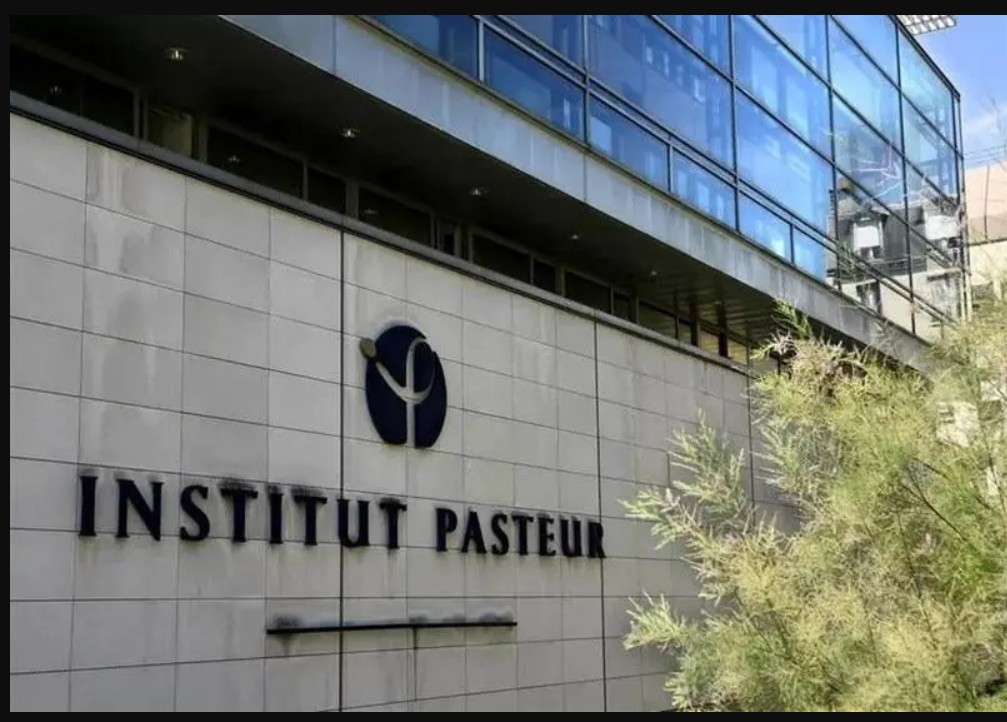
Iran’s Pasteur Institute is no longer just a research center; it has become a symbol of a war that, by crossing borders, reaches knowledge and everyday life.
Attacking this institute is not merely the destruction of a building, but a blow to an infrastructure that protected society against diseases, crises, and an uncertain future.
When the target is science, not the battlefield
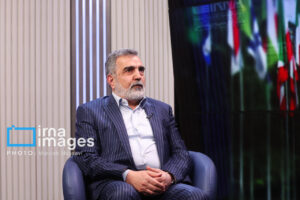
Official narratives paint a picture of extensive destruction. According to Hossein Kermanpour, spokesperson for Iran’s Health Ministry, the attack on this building can be interpreted as “an assault on a 100-year-old pillar of global health.” This indicates that the incident is far more severe and far-reaching than it appears.
What was attacked was a network of laboratories, biobanks, and research units—each forming part of a system that monitored and controlled diseases in Iran and even in the region.
Source laboratories, biotechnology units, cell banks, and research facilities have been destroyed—places where years of experience and infrastructure had been accumulated. This is what an environmental expert refers to as “systematic risk”: a risk not confined to a single building, but one that disrupts “the chains of monitoring zoonotic diseases.”
The destruction of such infrastructure can “increase the risk of silent viral mutations and cross-border epidemics on the scale of COVID-19.”
This attack may appear limited, but it can have global consequences.
An infrastructure that was not built overnight
To understand what was lost, we must go back to a time when Iran was still struggling with communicable diseases and death was a common part of everyday life. At that time, the lack of public hygiene, physicians, and scientific infrastructure had left society defenseless.
It is here that the name of Abdolhossein Mirza Farmanfarma is recorded in history—a politician who chose to build a place for life rather than a monument to power. He is famously quoted as saying that he wanted “to build a place where smallpox vaccines are produced and to fight human and animal diseases.”
This decision was made after World War I, when Iran was facing multiple crises, from insecurity to widespread disease. A society unfamiliar with the concept of hygiene needed an institute capable of breaking the cycle of death.
From Paris to Tehran: the birth of a modern institute
The origins of this decision trace back to the visit of an Iranian delegation to Paris, where they became acquainted with the Pasteur Institute of Paris. It was there that Iranian physicians first encountered a scientific framework for combating communicable diseases.
This led to a swift agreement between Iran and France in 1920, paving the way for the establishment of Iran’s Pasteur Institute. Notably, the agreement lacked political or heavy financial conditions; it was based on “scientific friendship.” This characteristic integrated the institute into the global scientific network.
With the arrival of French physicians and collaboration with Iranian experts, the first steps were taken. The production of smallpox vaccines, efforts to combat cholera and plague, and the establishment of diagnostic laboratories gradually transformed public health in Iran.
A turning point in Iran’s health history
Following the establishment of the Pasteur Institute, the detection of infectious diseases became possible for the first time in Iran. Physicians no longer had to rely solely on symptoms; they could diagnose diseases through laboratory testing. This marked a revolution in Iran’s medical history.
Diseases that once claimed thousands of lives were brought under control. Cholera outbreaks were contained, plague became a thing of the past, and diseases such as tuberculosis and smallpox were managed. The Pasteur Institute became “the arm of public health,” producing not only treatment but also knowledge.
This very infrastructure was targeted in an Israel–US airstrike on April 2.
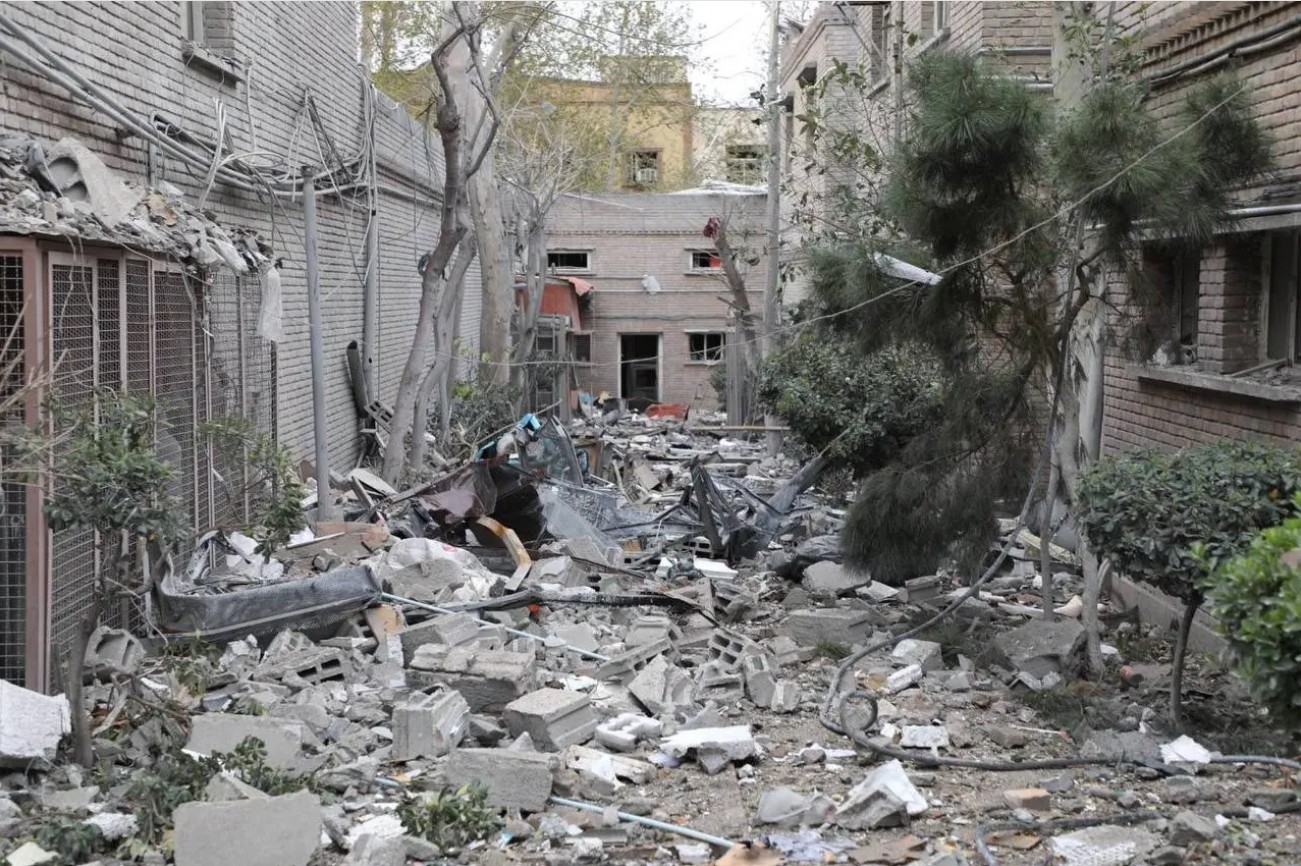
The hidden dimensions of the disaster
One of the most alarming risks is the potential leakage of chemical and biological substances, which could contaminate soil, groundwater, and ecological cycles.
Such contamination could “disrupt local ecosystems for years,” with consequences extending far beyond national borders.
A blow to the future
When a research center is destroyed, it is not only the present that is lost, but also the future. Data accumulated over years, ongoing projects, and established networks are all at risk.
This is what distinguishes this attack from ordinary destruction. What we are witnessing is the destruction of a process—the process of producing knowledge, controlling diseases, and safeguarding public health.
Legal and humanitarian implications
What occurred at the Pasteur Institute goes far beyond a military incident. It represents the intersection of three crises: war, health, and environment.
Under international law, not all damaged structures are treated equally. There is a clear distinction between military targets, civilian objects, medical centers, and scientific institutions—and this distinction determines the legality of an attack.
International humanitarian law obliges parties to distinguish between civilian and military targets and to direct attacks only against military objectives.
The Additional Protocol I (1977) explicitly states that military operations must be limited to military targets and that civilian objects are protected.
Within this framework, Iran’s Pasteur Institute is entitled to legal protection on at least two levels. First, as a civilian object dedicated to science and public health, it must not be targeted unless it is used for military purposes. Article 52 protects civilian objects, and the Rome Statute considers intentional attacks on buildings dedicated to science to be war crimes if they are not military targets.
Second, if parts of the institute function as medical or laboratory facilities, they are entitled to special protection under humanitarian law. The International Committee of the Red Cross emphasizes that medical units must be respected and protected under all circumstances and must not be attacked.
So far, there is no evidence indicating that Iran’s Pasteur Institute has been used for military purposes.
Therefore, the attack can be interpreted as an assault on public health infrastructure with potential environmental consequences.