Therefore, Nowruz has always been bound with the happiness and grief of Iranians. Even when Iranians compose a piece of a poem like “Tell Nowruz not to come this year,” they do not really want to keep Nowruz behind the door, but they want to narrate their stories of suffering they have endured over a year in their lives.
Maybe if I say that this year was the most difficult year in Iran’s contemporary history, it is baseless without offering scientific and historical facts and figures. Maybe many more difficult years have passed in Iran’s contemporary history. But this year was one of the most difficult years for Iranians for sure.
The shadow of war was felt from the beginning of the new year over the heads of Iranians, and eventually, in the third month of spring, Israel’s war against Iran began. Twelve days passed with fear and anxiety amid the sound of missiles and bombs. Finally, a truce was announced, but it was obvious that still some things were unusual. Still, the shadow of crisis was over our heads. The daily rise in prices and public complaints about the hard economic situation were signaling that very soon people would lose their patience. And it happened.
The January protests began initially among shopkeepers in the Tehran Bazaar, but the scope of the protests extended into other parts of the country to engulf almost the entire country. As a result, over 3,000 citizens were killed in street fights.
Iranians were mourning the deaths of their citizens when, at 9:30 a.m. on Feb. 28, a joint military campaign by Israel and the U.S. against Iran was initiated. A war with different meanings for different groups of Iranians. Some see it as a route to survival, and others believe that freedom and democracy have never been achieved through wars, and the aggressors are thinking about themselves.
I do not know which other countries in the world have passed such a challenging and stressful year in their history. I have seen that, for example, at times, neighboring countries such as Pakistan and India fall victim to monsoons or wars, or some European countries experience terrorist operations which cause a number of their citizens to lose their lives. But I truly do not know if a nation has experienced what we Iranians have experienced over a year or not!
We are in a situation that is not just the result of war or the killing of civilians and innocents, but it seems that everything is going to change. It seems that new values are going to be imposed on Iranians, the past values are going to be changed, and a new form of Iranians is going to be born, which we do not know how it may be! We are living in a high degree of uncertainty! It seems there is a war with external powers and a fight inside.
But the point is what I said in the beginning. Nowruz will arrive under all these circumstances, just like every year. Nowruz does not pay heed to the sufferings of the last year. It is not important for it how the last year has passed. Nowruz heralds a new beginning. It gives hope that the coming year can be more beautiful, more meaningful, and different. Although it never promises that the coming year is totally free from challenges and painful changes!
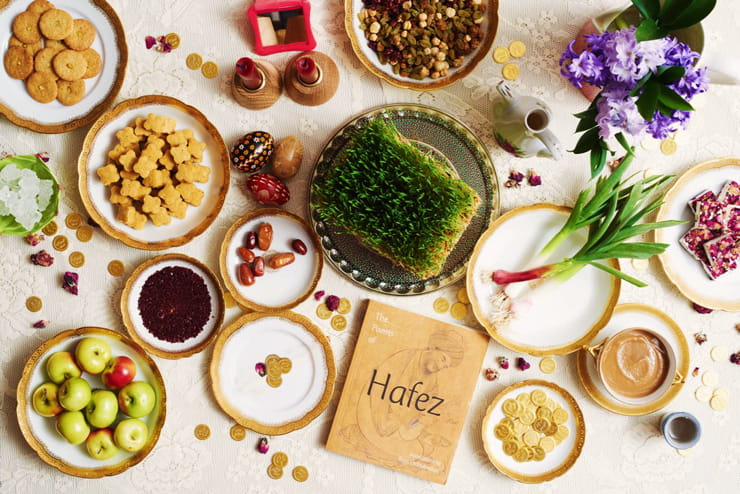
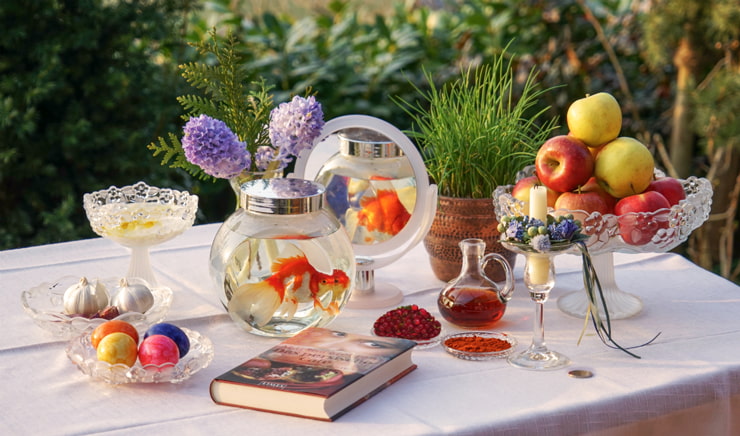
Nowruz is the linking chain of all Iranians who may have deep political and social disagreements. Nowruz is the same event that brings them together around a historical Haft-Seen table. Some may argue it was Haft-Sheen before Islam, but more important than Seen and Sheen is celebrating the New Year at a single time known as the “Tahvile Sal moment.”
So, this year we will sit at the Haft-Seen table, and undoubtedly we will wish for a prosperous and free Iran where all Iranians can have the opportunity to live, speak, and express themselves, safe from enemies!