Avash News: The Iranian delegation, “Minab 168,” led by Mohammad Bagher Ghalibaf, arrived in Islamabad on Friday night, and after meeting with the Prime Minister of Pakistan, began negotiations with the U.S. side.
After approximately 21 hours of intensive talks, the negotiations concluded without an agreement due to what were described as excessive demands and unreasonable requests by the United States.
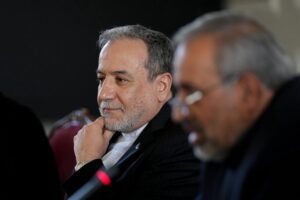
Senior Iranian officials accompanying the delegation include Foreign Minister Seyed Abbas Araghchi and other high-ranking defense, security, and economic officials. Meanwhile, U.S. Vice President J.D. Vance, along with Steve Witkoff and Jared Kushner, has also arrived in Islamabad to participate in the negotiations.
Speaking upon arrival, Ghalibaf said Iran’s past experience with the United States has been marked by failed negotiations and broken promises. He noted that Iran was attacked twice during previous talks despite showing goodwill, emphasizing that Iran maintains goodwill but lacks trust.
Iranian officials stated that Tehran is prepared to reach an agreement if the United States demonstrates readiness for a genuine deal that respects Iran’s rights. However, they warned that Iran would defend its interests if negotiations are used as a tool for deception.
Former Foreign Minister Mohammad Javad Zarif said Iran demonstrated its seriousness by sending a highly capable negotiating team despite repeated U.S. breaches of trust, expressing hope that diplomacy would prevail.
Reports indicate that the United States has agreed to release part of Iran’s frozen assets, a move Tehran views as a sign of goodwill toward achieving a lasting agreement. Details regarding the amount and timeline have not yet been disclosed.
Pakistan denied reports that China, Russia, Saudi Arabia, and Qatar would participate in the talks, confirming that only Iranian and American delegations are present.
The negotiations are taking place amid skepticism over their success due to ceasefire violations and ongoing regional tensions. Following 40 days of conflict, the United States proposed a ceasefire and requested negotiations. Iran accepted a two-week ceasefire but warned that failure to reach a satisfactory agreement could lead to renewed conflict targeting U.S. and Israeli interests in the region.
Iran–U.S. Talks in Islamabad Enter Expert Phase Amid Ceasefire Monitoring
Negotiations between Iran and the United States continued in Islamabad as both sides moved into expert-level discussions following initial political consultations. The talks are being held under Pakistan’s mediation after progress was reported in limiting attacks in southern Lebanon and Washington’s agreement to release part of Iran’s frozen assets.
Iran’s Ambassador to Pakistan, Reza Amiri Moghadam, described Islamabad’s role as an important mediation effort aimed at ending what he called an illegal war against Iran, adding that it remains to be seen whether the United States will respect Pakistan’s diplomatic efforts.
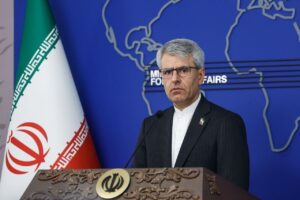
Foreign Ministry spokesman Esmaeil Baghaei said Iran has clearly conveyed its positions and demands to Pakistani officials and remains in continuous communication with relevant parties. He noted that, aside from initial incidents on the first day, no new ceasefire violations have been reported, although Iran continues to closely monitor the situation.
Iranian officials stressed that the ceasefire must be fully implemented across all fronts, including Lebanon, and called on the United States to ensure compliance with related commitments. Technical teams from Iran’s economic, military, legal, and nuclear sectors have joined the negotiations to address unresolved issues in greater detail.
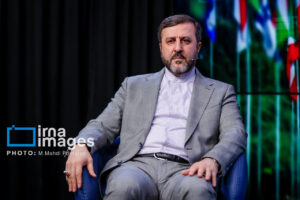
Deputy Foreign Minister Kazem Gharibabadi stated that Iran is participating in the talks with caution, citing past experiences of broken commitments by the United States. He added that Iran’s effective control over the strategic Strait remains a key factor strengthening its negotiating position.
Threat to Assassinate Iranian Officials
Esmaeil Baghaei, spokesperson for the Ministry of Foreign Affairs, referring to an article published in one of the hardline American media outlets that threatened Iranian negotiators with assassination, wrote on X:
“While U.S. officials accuse Iran of lacking ‘good faith’ and engaging in ‘extortion,’ certain circles within the U.S. policymaking and media spheres openly recommend that, if negotiations fail, Iranian negotiators should be assassinated.
Is this approach not a reflection of a political discourse that, by resorting to intimidation and openly inciting assassination, violence, and killing, seeks to normalize extortion?! This open encouragement of state terrorism must be condemned by all.”