
Avash News: However, few people point to drinks that are somehow forgotten—a world much older than coffee and tea; a world where Iranians lived not with a cup of coffee but with a bowl of “Sekanjebin” or “Bidmeshk.”
Traces of the culture of Iranian Sharbat-Khaneh [House of Syrup] have been seen in our lives from ancient times to the Safavid dynasty.
When Iran Did Not Yet Have Tea but Had an Empire of Drinks
Before the names of tea, coffee, espresso, and even “Dam-Noush” [leaves that are put in boiling water to extract their essence] came into use, Iran had a magnificent history of drinks.
In most historical narratives, Iranian Sharbat-Khaneh was part of people’s everyday life—not just a place for greeting, hanging out, and resting, but also for making local decisions.
Iran has always had warm weather conditions, from Kavir-e Markazi [Central Desert] to the hot summers of Fars and Khuzestan provinces.
The very hot weather caused Iranians to begin making sweet and sour drinks that could cool them and lower their body temperature. These drinks were a combination of fruits, herbal essences, golab [rose water], vinegar, honey, and later sugar.
If today someone says that tea or coffee were “the main drinks” consumed by Iranians, they should know that centuries before these two drinks were introduced to Iran, the country had one of the most diverse drink cultures in the world.
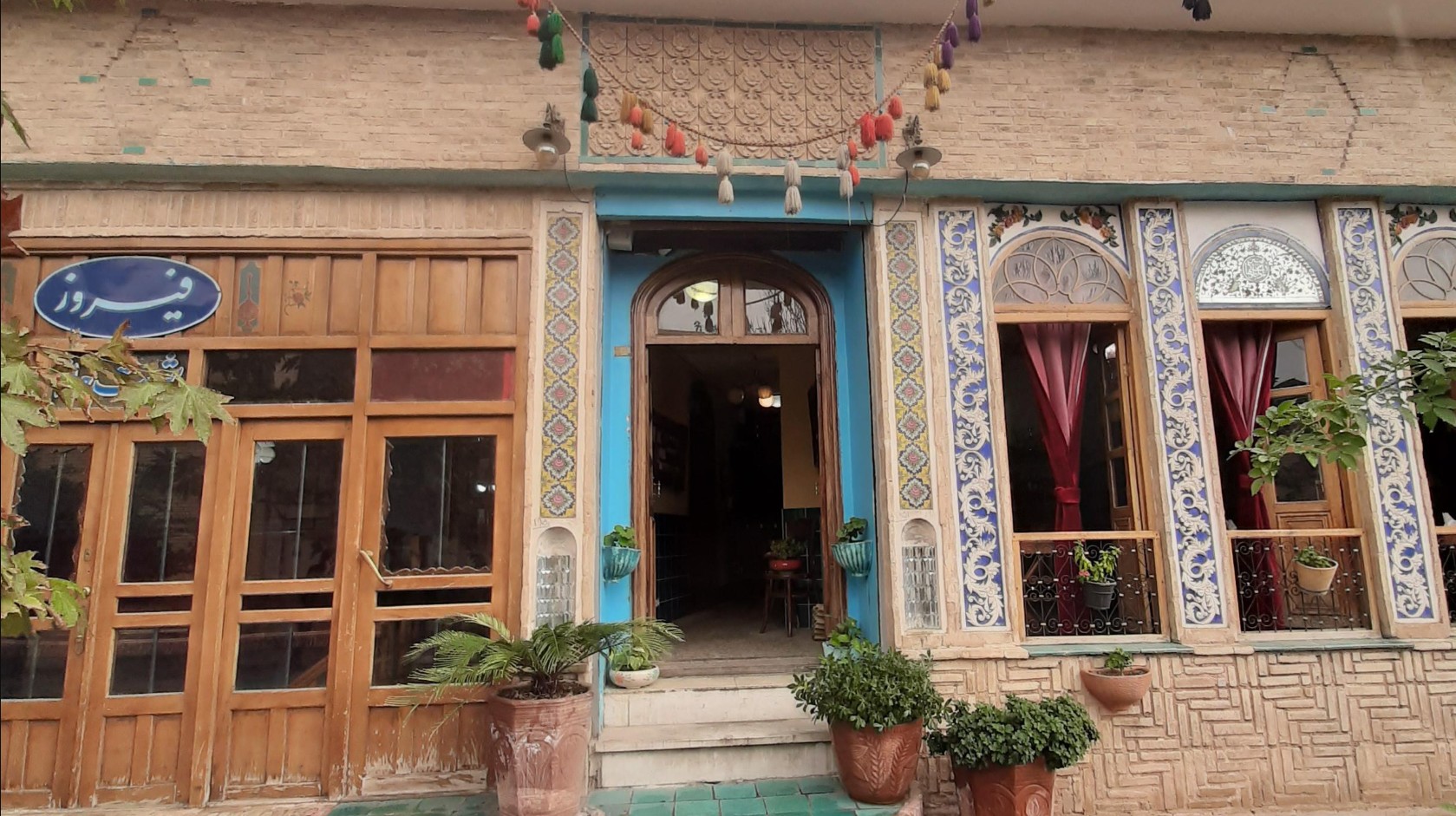
Sharbat-Khaneh: A Heritage That Continued from Ancient Times to the Safavid Era
Sharbat-Khaneh has a long history in Iran. From the Sassanid era, rulers and large cities had places for preparing and offering drinks.
Different types of “Araghiat” [drinks made from herbal essences], various types of “Shireh” [thick sweet substances made from berries, grapes, etc.], and many kinds of cold drinks were served in Sharbat-Khaneh.
In bas-reliefs and old Iranian documents, the names “Noushabeh-Khaneh,” and “Sharbat-Sara” are also seen. These were places where winter ice was stored to be used during the hot summer weather.
Brick Refrigerators: Miracles of Ancient Iran
In the heart of the desert, incredible structures with large domes, thick walls, and bricks that insulated against heat were built.
During winter, ice was collected from cisterns and kept in these refrigerators so that Sharbat-Khaneh could prepare “Faloudeh” [a sweet, sour, cold dessert made of noodle-like starch, ice, and lemon juice] and cold syrups.
The technology of these refrigerators was so advanced that some researchers have called them the world’s most ancient natural cooling systems.
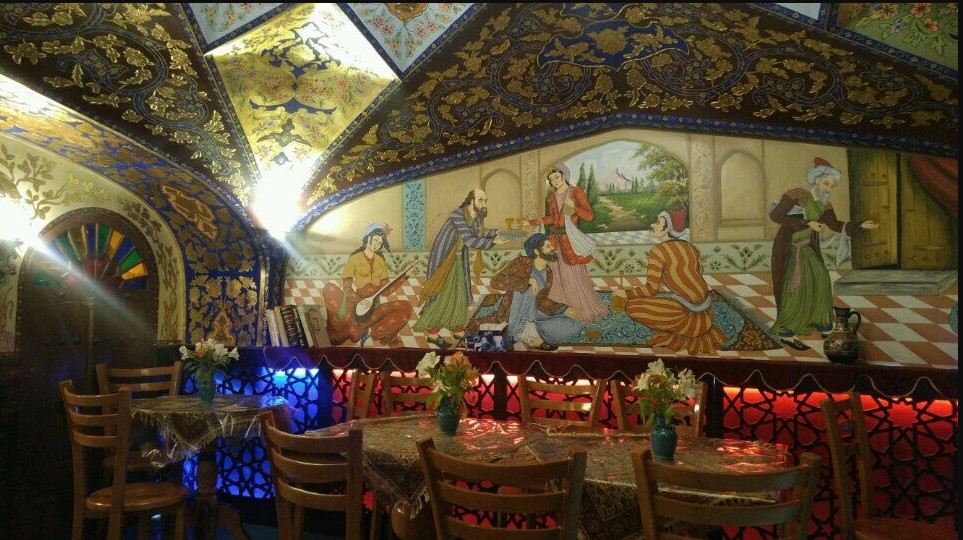
The List of Sharbats That We Know Less About Today
The culture of Sharbat-Khaneh includes a vast world of drinks. Each drink was suitable for a specific mood, season, and physical condition.
Iranian physicians—from Razi to Ibn Sina—described specific functions for each drink.
Sekanjebin: The King of Sharbats
A combination of vinegar and honey (later sugar), along with mint or cucumber. It was a summer drink that prevented dehydration and helped maintain a healthy stomach.
Bidmeshk
A mild, relaxing drink with a pleasant aroma that was usually served at parties.
Behlimo and Baharnarenj
Drinks special to the northern and central parts of Iran that helped relax the mind.
Barberry and Sour Cherry
Sour, cold drinks especially popular during summer.
Basil Seeds and Flixweed
These were among the most traditionally Iranian drinks sold in streets and were especially suitable for desert climates and hot summers.
Araghiat: The Medicinal World of Iranians
The industry of Araghiat, from Shiraz to Isfahan, was extensive. Araghiat, while having therapeutic properties, was also consumed daily.
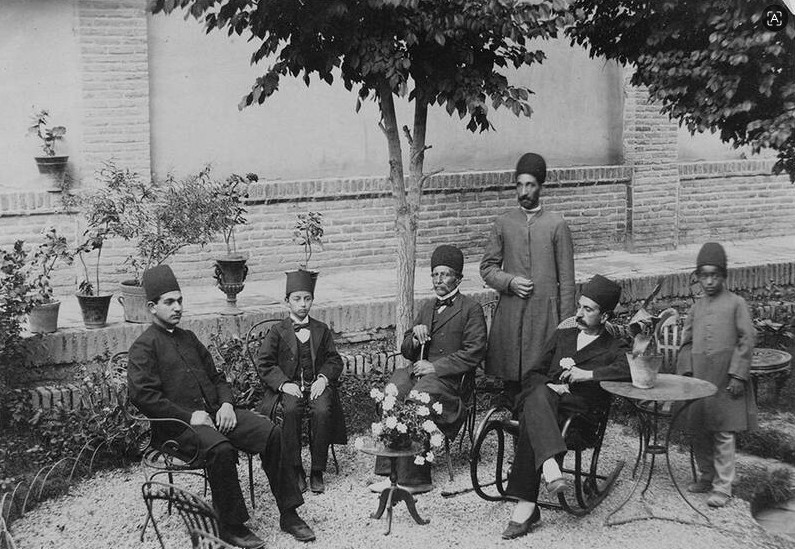
Sharbat-Khaneh as a Social and Cultural Place
Some may think that Sharbat-Khaneh was just a place for drinking. However, its role in the lives of Iranians went far beyond that.
People could rest, talk together, and listen to news in Sharbat-Khaneh.
A Center for Decision-Making
Most conflicts, contracts, and even small ceremonies were held in Sharbat-Khaneh.
A Place for Poets and Storytellers
In certain places, Sharbat-Khaneh hosted storytellers, musicians, and narrators.
Hygiene and Public Medicine
Araghiat and different types of Sharbat had medicinal properties, and many people sought treatment in Sharbat-Khaneh instead of visiting doctors.
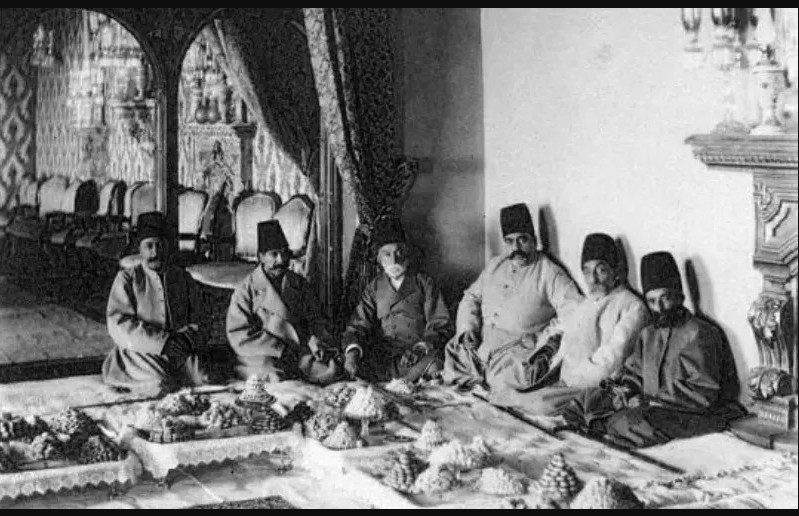
Coexistence of Sharbat-Khaneh and Ghahveh-Khaneh During the Safavid Era
During the Safavid era, coffee became commercial, and Ghahveh-Khaneh prospered, but Sharbat-Khaneh had not yet disappeared.
Sharbat-Khaneh served as a cool place during the day, while Ghahveh-Khaneh became a place for conversation at night. This meant that the culture of Iranian drinks became dual: sharbat during the day and coffee at night. This coexistence continued for centuries.
Why Was Sharbat-Khaneh Gradually Forgotten?
Sharbat-Khaneh fell victim to a major change: the introduction of tea to Iran, the decline in its price, and its transformation into an official drink.
During the Qajar dynasty and after the Industrial Revolution, tea replaced traditional drinks for three reasons: it was easy to prepare, inexpensive, and suitable for repeated use throughout the day.
While coffee was bitter, different types of sharbat required time to prepare, and araghiat production was complex, tea was simple—it required only water and tea leaves.
Government support for tea cultivation also caused Sharbat-Khaneh to gradually lose its popularity.
Eventually, Sharbat-Khaneh remained only in traditional areas, and the culture of sharbat became limited to homes, kitchens, and special ceremonies.
Did Sharbat-Khaneh Completely Disappear?
No. Today, traces of Sharbat-Khaneh can still be seen in everyday life.
Although the name Sharbat-Khaneh has faded over time, its culture remains alive—in gardens, traditional restaurants, weddings, iftar gatherings, and even in prescriptions by traditional physicians.
What Does Sharbat-Khaneh Mean in Today’s Iranian Culture?
Today, everyone talks about coffee: its rising price, the increasing number of coffee shops, global price changes, and shifts in younger generations’ tastes.
Before that, people talked about tea—how it entered Iran, how it replaced sharbat, and how it became the national drink.
What Did Iranians Drink Before Coffee and Tea?
Answering this question opens a door to a world more colorful than today’s coffee shops—more diverse than teahouse menus, cooler than any espresso, and deeper than any imported drink.
Sharbat-Khaneh is not only part of the past but also a key to understanding why Iranians are so drink-centered—why there is a drink for every season, every mood, every celebration, and every illness.
Sharbat-Khaneh: The First “Iranian Coffee Shop”
Sharbat-Khaneh was the earliest form of social beverage culture in Iran.
People gathered there, talked, listened to stories, escaped the heat, solved conflicts, and built communities.
Iranians later built Ghahveh-Khaneh, then teahouses, and in modern times, coffee shops.
But all of them share roots formed thousands of years ago—a root called Sharbat-Khaneh.
Maybe it is time to remember our magnificent heritage. In days when drinks are changing, the culture of Sharbat-Khaneh reminds us that Iranians—more than anything—have been a nation of drink makers, with an enthusiasm that still continues.