The Speaker of the Islamic Consultative Assembly said in his pre-agenda speech at the first session of the third year of the 12th Parliament: “We are beginning the third year of the 12th Parliament while the memory of the martyred leader of the nation, Grand Ayatollah Khamenei (may God sanctify his soul), is still with us, and we still cannot fully comprehend the absence of this great leader and father of the nation. A jurist who, through his wise leadership and strategic command over 37 years of the Islamic Revolution, laid the foundation of a strong, independent, and powerful Iran, and taught us not to bow even slightly to bullying and threats, and to stand with clenched fists against the enemy until the last drop of blood.”
He continued: “The leader to whom we considered ourselves devoted gave his life for Iran and, with his pure blood, revived a nation that, as he prophetically said, would complete its own mission. What we witness these days in powerful Iran—from missile and naval battlefields to streets that have been taken over by the Iranian people—is the result of the leadership and management of the martyred commander of the nation.”
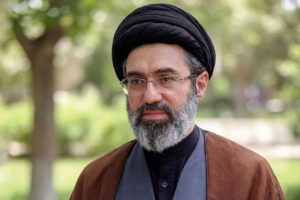
He added that although the loss of the martyred leader is painful, they are encouraged by the leadership of his successor, Ayatollah Seyyed Mojtaba Hosseini Khamenei, and consider his messages and guidance as both a roadmap and a source of comfort.
We consider the Supreme Leader’s message the roadmap of the 12th Parliament
Qalibaf said that the Supreme Leader’s message should be appreciated and considered a guiding roadmap for the future of Parliament, emphasizing that MPs see it as the basis for their work and will fully strive to implement it.
He added that a key point in the Leader’s message is the emphasis on the role of the people in the political system, and that Parliament must align its responsibilities with serving the Iranian nation at the highest level. He described Parliament as a “frontline institution of transformation” and stressed the need for increased effort in legislation and oversight.
He also stated that parliamentary actions must be directly connected to the country’s main issues and focus on creating hope and planning for economic stability and livelihood improvement.
Economic priorities: stability, inflation control, and job creation
Qalibaf called on parliamentary economic commissions to prioritize legislative and supervisory efforts on:
Economic stability
Inflation reduction
Liquidity management
Production and employment growth
He said relevant reports should be prepared for discussion in Parliament. He also referred to the Leader’s emphasis on post-conflict conditions and asked specialized commissions to place the revision of the national development plan on their agenda, in coordination with the government, particularly regarding reconstruction and modernization programs.
He added that parliamentary research bodies should assist MPs in this process.
Need for government cooperation while maintaining parliamentary independence
He emphasized that the government is currently dealing with major national challenges and needs the support of all institutions, including Parliament. He stressed the importance of cooperation with the government while preserving legislative independence, warning against exhausting political conflicts and unnecessary disputes.
Call for national unity and avoidance of political division
Qalibaf stated that preserving national unity is a moral duty and urged MPs to avoid “empty political disputes.” He emphasized that the Supreme Leader has warned against turning differences into division and called on Parliament to act as a symbol of national cohesion.
Iran is resisting in a major historical struggle
He told the Iranian people that the country is currently pushing back against its enemies in a major and historic confrontation, where national unity is the key factor for victory. He said enemies are attempting to weaken Iran through economic pressure and media campaigns but will fail.
He stated that this struggle includes multiple arenas: military, street-level, diplomacy, and public service.
No agreement without securing Iran’s rights
Qalibaf concluded by saying that diplomatic achievements must translate military successes into political and legal gains. He emphasized that Iran does not trust enemy promises and will only fulfill commitments when tangible results are achieved.
He stated: “Until we are certain that the rights of the Iranian nation have been secured, we will not approve any agreement.”
He added that Iran’s resistance, military strength, and national unity will ultimately lead to victory, expressing confidence in the country’s future success.