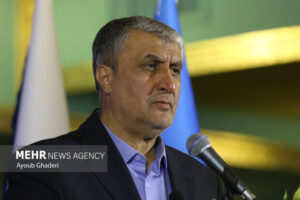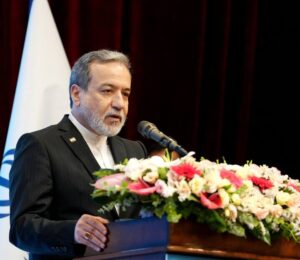
Tehran and Washington announced on Sunday night that they have finalized the text of an MoU on ending the war, bringing an immediate and permanent halt to military operations on all fronts, including Lebanon, and terminating the US naval blockade against Iran. The MoU will be signed on Friday in Switzerland.
United Nations
UN Secretary‑General Antonio Guterres said the agreement was a “critical step” toward resolving the conflict.
“The Secretary‑General hopes that the parties will build on this new momentum and redouble their efforts towards a final resolution of the conflict,” Guterres said in a statement.
Turkey
President Recep Tayyip Erdogan said he views the deal as “an important development for establishing peace and tranquility in our region.”
He called for avoiding any provocations that could escalate tensions before the signing and thanked Pakistan, Qatar and Saudi Arabia.
The country’s Foreign Minister Hakan Fidan also described the agreement as an important step toward achieving lasting peace and stability in the region.
Qatar
Prime Minister and Foreign Minister Sheikh Mohammed bin Abdulrahman Al Thani said Doha welcomes the agreement, expressing hope that all parties will engage in future negotiations “in a positive and constructive spirit.”
Qatar’s Foreign Ministry also described the agreement as an important step toward establishing peace and fostering economic growth in the region. The ministry expressed appreciation to both the United States and Iran for seeking to resolve their differences through negotiation.
Japan
Prime Minister Sanae Takaichi welcomed the deal, saying Japan “strongly hopes” that a final agreement on Iran’s nuclear issue will be reached soon.
Britain
According to British Prime Minister Keir Starmer, the agreement marks a “hugely important step forward” in ending the war, ensuring regional stability and re-opening the Strait of Hormuz.
“We stand ready to support the technical talks that will now begin,” Starmer said, adding that Britain would work with international partners to help secure a “durable and lasting peace.”
France
President Emanuel Macron called for the deal’s swift and full implementation and the urgent reopening of the Strait of Hormuz.
Macron, too, said the agreement should enable the “urgent and unconditional” reopening of the Strait of Hormuz, adding that an international mission established with the UK is prepared to support the effort.
Germany
Chancellor Friedrich Merz also welcomed the deal, saying it could help revive the global economy and contribute to greater stability in West Asia. “It is crucial to implement it with determination,” he added.
Britain, France, Germany, and Italy also issued a joint statement declaring their readiness “to lift relevant sanctions in response to clear, verifiable steps by Iran on its nuclear program.” They said they will work intensively with all sides to achieve a long‑term diplomatic settlement.
Australia
Prime Minister Anthony Albanese praised the agreement, saying that Australia has long called for de‑escalation and an end to the war.
[This story is being updated.]