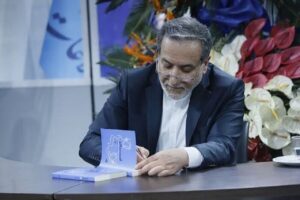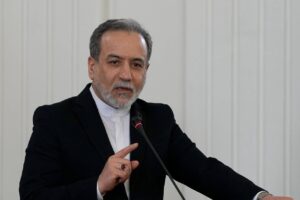
Avash News: Under such conditions, while official diplomacy had been paralyzed and direct contacts between Tehran and Washington had been cut, an unexpected route was activated—a path that did not pass through the Pakistan Army headquarters but through the foreign ministries.
A general who not only reactivated the channels that had been turned off but also made himself an influential actor in one of the most complicated crises of recent years.
Pakistan: From a Marginal Actor to the Center of the Negotiating Table
Prior to this crisis, Pakistan was considered a marginal actor in Middle East dynamics; a country with varying relations with Washington, security bonds with Saudi Arabia, and cautious interactions with Iran. But the 40-day war changed the dynamics.
Islamabad rapidly turned from an observer into an active facilitator, hosting negotiations in Islamabad, contributing to the formation of a temporary truce, and finally maintaining indirect contact channels.
This change was not accidental. Pakistan is located in a sensitive geographical position. The country shares a border with Iran and is close to Afghanistan. Continuous rivalry with India and serious reliance on energy imports from the Middle East have placed the country in a complicated situation.
Therefore, the continuation of war was not only a security threat but also a potential economic crisis. Under such conditions, becoming a mediator was not just a diplomatic role but a vital decision for survival.
Rawalpindi, Not Islamabad: When an Army Plays a Diplomatic Role
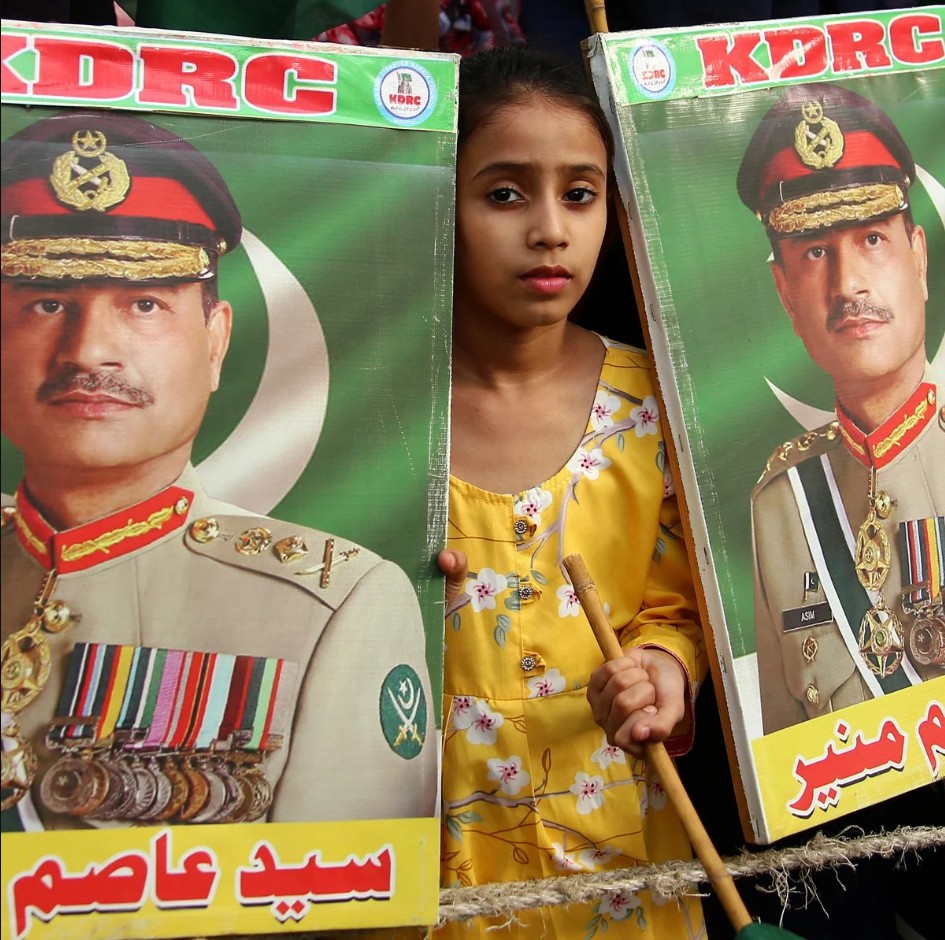
One of the most important points of this crisis was the change in the decision center. Unlike classical expectations, the negotiations were not directed by the Foreign Ministry of Pakistan but from the Army headquarters in Rawalpindi.
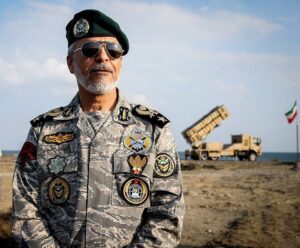
This is the place where the role of Asim Munir was highlighted. Munir, as Chief of Army Staff, not only held control of the security apparatus but also, due to his experience in intelligence leadership, had access to a network of communications that was inaccessible to a traditional diplomat.
In practice, this meant that the direct transfer of messages from Tehran to Washington, maintaining contact with the American negotiating team, and proposing operational steps to reduce tensions were within reach.
Among the most important proposals was the plan to gradually reopen the Strait of Hormuz—a proposal that took into consideration the interests of multiple actors and created the possibility of a temporary balance.
The Defining Factor: Personal Relations with Trump
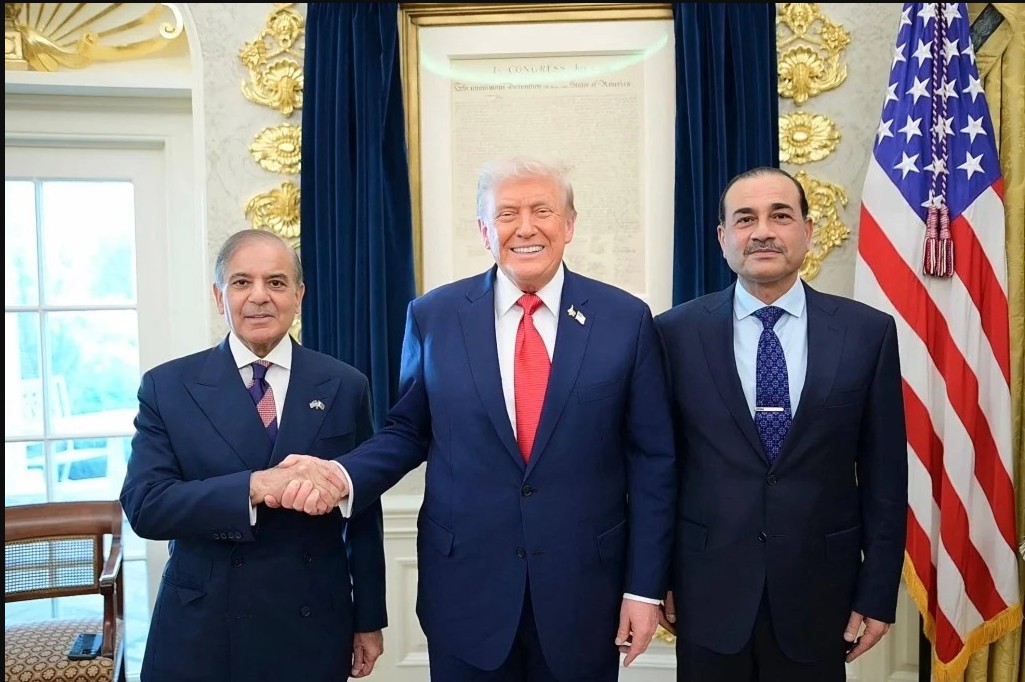
But what pushed this channel beyond a usual diplomatic effort was a less formal yet defining factor: the personal relationship between Asim Munir and Donald Trump, which was invisible to observers.
Trump, who has always preferred working with unconventional and influential personalities, observed characteristics in Munir that he did not recognize in other leaders: the ability to decide quickly, maintain control over power structures, and manage multiple crises simultaneously.
The relationship developed to a stage where Trump reportedly called Munir “my favorite field marshal” and, in direct contacts, praised his role in maintaining communication channels.
According to Trump’s policymaking style, such ties are not merely symbolic but operational tools. In his mindset, personal trust replaces formal mechanisms. It was exactly this trust that allowed Munir to directly convey Iran’s messages to the American team—something almost impossible under normal circumstances.
A Multilayer Game: The Art of Managing Conflicts
Perhaps one of the main reasons for the relative success of Asim Munir was his ability to manage multiple relationships simultaneously.
Pakistan was in a situation where any wrong move could lead to heavy costs. The country has a defense alliance with Saudi Arabia, shares a border with Iran, and maintains a strategic relationship with the United States.
Under normal conditions, such a combination could lead to deadlock. But Munir attempted to use these conflicts as leverage rather than obstacles.
He reassured Saudi Arabia that the mediatory role did not mean distancing from Riyadh. He showed Iran that Pakistan could be a reliable channel, and he demonstrated to the United States that Islamabad remained an effective partner.
This is what some analysts, including The Guardian, describe as “playing with bad cards”—a situation in which an actor with limited resources changes outcomes through skill and timing.
Hormuz: A Leverage Hidden Behind the Negotiating Table
At the heart of these negotiations stood a key variable: the Strait of Hormuz.
This waterway is not only a geopolitical tool but also economically vital for countries like Pakistan. Pakistan’s economy depends heavily on energy imports, and any disruption in Hormuz would exert additional pressure.
Therefore, the proposal to reopen Hormuz was not merely a concession to global markets; it was a multi-purpose solution that allowed pressure on Iran without eliminating its leverage. At the same time, Hormuz became a bargaining card without which reaching a truce would have been extremely difficult.
Mediatory Role or Walking on the Edge?
Pakistan’s role in this crisis, although seemingly a diplomatic success, was also a risky balancing act.
Islamabad entered this field while its security commitments to Saudi Arabia remained intact. Saudi Arabia had been targeted during the 40-day war and expected Pakistan’s support.
Reports suggested that Riyadh did not view the mediation positively and considered it biased. This implied that Pakistan risked damaging trust with one of its most important partners.
On the other hand, excessive proximity to Iran could also create concerns in Washington—particularly given that U.S. policy continues to focus on containing Tehran.
Why Did the U.S. Return to Pakistan?
After the U.S. withdrawal from Afghanistan in 2021, Islamabad–Washington relations became strained. Pakistan no longer played its earlier pivotal role and was pushed to the margins.
However, the recent crisis changed the equation.
Pakistan once again became a key tool for Donald Trump—not as a traditional ally but as a vital mediator under conditions where direct negotiation with Iran was impossible.
Within this framework, Islamabad possessed several advantages: access to both Washington and Tehran, the ability to convey messages without direct political cost, and most importantly, the presence of Asim Munir, who enjoyed the personal trust of the U.S. president.
All these factors transformed Pakistan from a forgotten partner into a critical node in the architecture of the crisis.
Tehran: Using an Indirect Path
For Iran, this situation also created a strategic opportunity.
Under conditions of military and political pressure—especially when accepting demands such as “zero enrichment” was considered a red line—using an indirect communication path increased maneuvering space.
Through Pakistan, Tehran could convey its messages without formal engagement in negotiations, reduce exposure to direct U.S. pressure, and maintain leverage, particularly regarding the Strait of Hormuz.
Here again, Munir’s role became evident—as someone who maintained communication with Washington while earning Tehran’s trust. In effect, he occupied a rare position for a military commander: acting as a messenger between two adversaries.
A General Who Played with Bad Cards
Analysts have repeatedly noted that Munir entered the game with weak cards.
Pakistan faces economic fragility, domestic tensions, and a volatile regional environment where crises spread quickly. Despite these constraints, Munir managed to convert vulnerabilities into opportunities.
He accelerated Pakistan’s decision-making process by creating a centralized structure—something rarely seen in conventional diplomacy.
Within this framework, decisions were made faster, messages were delivered without intermediaries, and operational flexibility increased.
Architecture of a New Role
What occurred went beyond temporary mediation.
Pakistan, relying on its geography and network of relationships, attempted to define a new role for itself—not merely as an ally or a regional actor, but as an active mediator in global crises, with Asim Munir at the center of this transformation.
A general who altered an equation many believed impossible to change, through a combination of personal relationships, military authority, and precise understanding of timing.