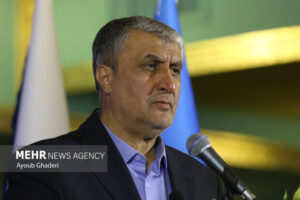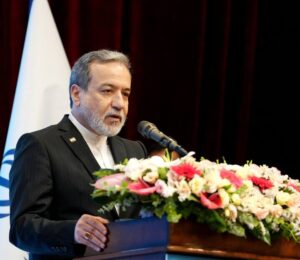
Avash News: Qalibaf, instead of staying in Parliament, went to Islamabad—to the heart of negotiations that are not only about war but also about the balance of power inside and outside Iran. This has turned him into the focal point of a new clash—a clash not between Iran and the US this time, but within the conservative camp.
Over the past years, the image of Qalibaf has fluctuated among different narratives: from a former commander, to a technocratic mayor, the head of parliament, a conservative pragmatist, and sometimes a politician stuck on the erosional margins of political contests.
But war has provided him with the chance to build a new narrative of himself—a narrative in which Qalibaf is not merely a manager, but a “mediator of power,” a person who can link the battlefield, government, parliament, and negotiations.
In the Middle of the Battlefield and Negotiations
Forty days of war changed the dynamics of power in Iran. Iran was engaged in one of its most complicated security periods since February 28—a period that caused the border between the battlefield and diplomacy to gradually fade away. Under these conditions, Qalibaf’s entry into a level of activity that was previously in the hands of diplomats was not a simple change, but a sign of redefining roles within the structure of power.
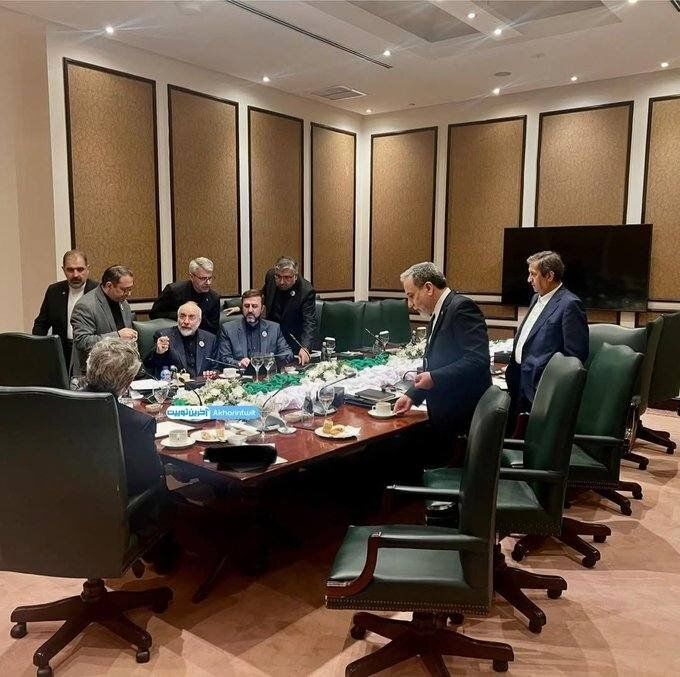
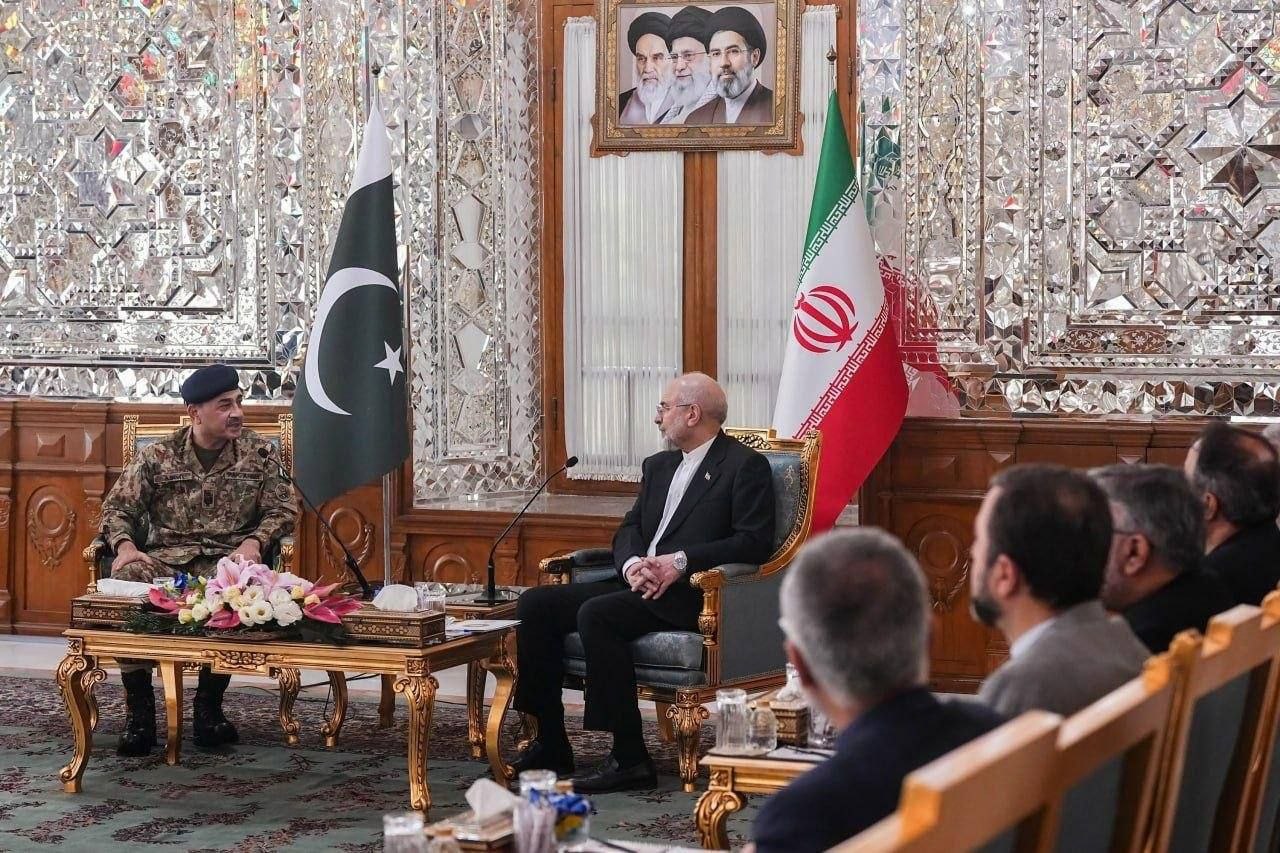
The Islamabad negotiations, which were formed with the mediation of Pakistan and in continuation of the two-week truce, find their meaning precisely within this framework.
The 21-hour meeting between the Iranian delegation, headed by Mohammad Baqer Qalibaf, and the American side, with the presence of JD Vance, was not only a diplomatic dialogue but also an effort to turn battlefield achievements into political concessions. Although the negotiations did not reach any precise outcome, they carried a clear message: the actors at this stage are not just diplomats.
Qalibaf, as a military commander with experience in urban and parliamentary management, has become an option capable of linking both fields. All these features have turned him into a “hybrid actor,” which is both an opportunity and a threat.
Why Is Qalibaf the New Target of Hardline Radical Conservatives?
Qalibaf is neither merely a diplomatic figure to accuse of “compromise,” nor merely a military figure that would be immune from criticism over negotiations.
Under such conditions, remarks by some radical conservatives, including Amir Hossein Sabeti and Hamid Rasaei, are just part of these waves. They have raised questions about nuclear red lines and negotiation preconditions to promote the idea that any dialogue means retreat. What makes these attacks more meaningful is not just their content, but their timing.
In a “no war, no peace” situation, focusing on undermining a person who is at the head of the negotiation team shows that this time the clash is about “revolutionism.”
Qalibaf has chosen silence, which does not mean inaction; rather, it is a behavioral pattern that he has used over the years. Under conditions in which any reaction can intensify rifts and polarization, silence has turned into a tool to control the ground.
Qalibaf has accepted the logic that the priority is stabilizing the main mission, not winning media battles.
The Cost of Radicalism During the Truce
The problem is not just Qalibaf. What is occurring against him is a sign of a larger problem: the inability of a political current to understand the requirements of a special situation.
A country that has come out of war and is spending time in a volatile truce needs unity, wisdom, and control over domestic clashes.